
1
2026
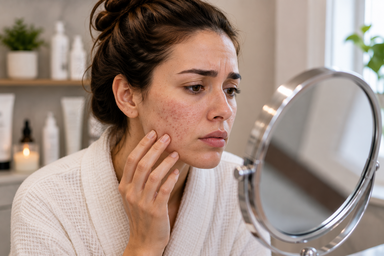
Long after a breakout has cleared, the evidence can stick around in the form of shallow indentations, rough patches, or discoloration that never quite fades. If you have found yourself looking at old acne scars and wondering whether anything can actually change their appearance at this point, you are asking a very fair question. Microneedling has become one of the more talked-about answers, and understanding why scars form in the first place makes it much easier to understand why this particular treatment tends to work.
Why Do Some Breakouts Leave Scars and Others Don't?
Not every pimple leaves a mark, and the difference usually comes down to depth and inflammation.
Deep, Inflamed Breakouts
Cystic and nodular acne reaches deeper into the skin than a typical surface pimple, which damages the surrounding collagen and tissue. This deeper damage is what leads to visible scarring once the breakout finally heals.
Picking or Squeezing
It is a hard habit to break, but picking at a breakout increases inflammation and tissue damage, which significantly raises the odds of scarring, even from a blemish that might have otherwise healed without a trace.
Delayed Treatment
The longer active inflammation lingers, the more damage it tends to cause to the surrounding skin structure. This is part of why addressing breakouts early, rather than waiting them out, can reduce the likelihood of long-term scarring.
Genetics and Skin Type
Some people are simply more prone to scarring than others, based on how their skin produces collagen during the healing process. This is not something anyone can control, but it does explain why two people with similar breakouts can end up with very different results.
What Is the Difference Between Acne Scarring and Post-Inflammatory Marks?
This distinction trips a lot of people up, and it matters because the two respond to different treatments.
Acne scarring refers to actual textural changes in the skin, such as indentations or raised tissue, caused by damage to the deeper structure of the skin.
Post-inflammatory marks are flat areas of discoloration left behind after inflammation, without any change in texture. These often fade on their own over time, though the process can take months, and certain treatments can speed it along considerably.
Many people assume all leftover marks are the same, but knowing which one you are actually dealing with helps set realistic expectations for treatment.
How Does Microneedling Actually Work on Scarred Skin?
Microneedling uses a device with fine, sterile needles to create tiny, controlled micro-injuries in the skin. This might sound counterintuitive as a way to treat scarring, but the process is what makes it effective.
It Triggers the Skin's Natural Repair Process
Those micro-injuries prompt the skin to produce new collagen and elastin as part of its healing response. Over time, this rebuilding process can smooth out the uneven texture created by old scarring.
It Reaches the Layer Where Scarring Actually Lives
Because scarring involves the deeper structure of the skin, surface treatments like exfoliating scrubs or brightening serums generally cannot make much of a dent. Microneedling works at the level where the actual damage occurred.
It Can Improve the Appearance of Both Texture and Tone
While primarily known for texture, many clients also notice an improvement in lingering discoloration, since the renewed collagen and improved cell turnover can help even out skin tone as well.
What Does the Treatment Actually Involve?
At Moonlight Skin Studio, CellStory liquid microneedling pairs traditional microneedling with a specialized serum designed to support the skin's repair process during treatment. This combination approach is designed to make the most of each session, rather than relying on the needling alone.
How Many Sessions Does It Take to See a Difference?
Because microneedling works by encouraging your skin to rebuild itself gradually, results build over a series of sessions rather than appearing after just one visit. Most treatment plans involve three to six sessions spaced about four weeks apart, with continued improvement often visible for months after the last session, as collagen production continues.
Is Microneedling Painful, and Is There Downtime?
Most clients describe the sensation as mild discomfort rather than pain, and numbing options are typically available to keep things comfortable. Downtime is generally limited to some redness for a day or two, similar to a mild sunburn, which makes it manageable for most schedules.
Who Is a Good Candidate for Microneedling?
Microneedling tends to be a strong option if you notice:
- Shallow to moderate indentations or pitting from past acne
- Rough or uneven texture that persists regardless of your skincare routine
- Lingering discoloration alongside textural changes
- Enlarged-looking pores that have become more noticeable over time
It is worth noting that very deep or severe scarring may require a longer treatment plan or a combination of approaches, which is exactly the kind of thing an in-person consultation can clarify.
Can Microneedling Help With Anything Besides Acne Scars?
While acne scarring is one of the most common reasons people book this treatment, microneedling can also support overall skin texture, minimize the appearance of pores, and improve the results of other treatments when combined, such as a professional corrective peel as part of a broader plan.
Why Local Skin Concerns Matter in Orlando and Winter Park
Central Florida's heat and humidity can make active acne more common year-round, which in turn means acne scarring is a concern that a lot of local residents deal with at some point. A studio familiar with these patterns can build a more informed treatment plan than a generic recommendation might offer. You can browse the advanced skin treatments category or the full services page to see how microneedling fits alongside other options.
Frequently Asked Questions
Can microneedling completely remove acne scars? It can significantly improve the appearance of many types of scarring, though complete removal is not typically realistic. Most clients see a meaningful smoothing effect rather than a total disappearance.
How long before I see results from microneedling? Some improvement is often visible within a few weeks, but the most noticeable changes tend to build over several months as new collagen forms.
Is microneedling safe for all skin tones? Yes, microneedling is generally considered safe across a wide range of skin tones, since it does not rely on heat or light-based technology that can carry more risk for certain skin types.
Does microneedling hurt? Most clients report mild discomfort rather than significant pain, and topical numbing is typically used to keep the experience comfortable.
How soon can I go back to normal activities after treatment? Most people return to their regular routine the next day, with some redness that typically fades within 24 to 48 hours.
Your Skin Has Been Trying to Heal All Along. Give It a Hand.
Old scars can feel like a permanent reminder of a breakout you would rather forget, but skin has a remarkable ability to rebuild itself when given the right nudge. Microneedling works with that natural process rather than against it, which is part of why so many people finally see progress after years of feeling stuck.
If old acne scars have been bothering you longer than you would like to admit, Moonlight Skin Studio in Orlando offers microneedling treatments built around your specific skin, with convenient access for clients across Winter Park as well.