
12
2026
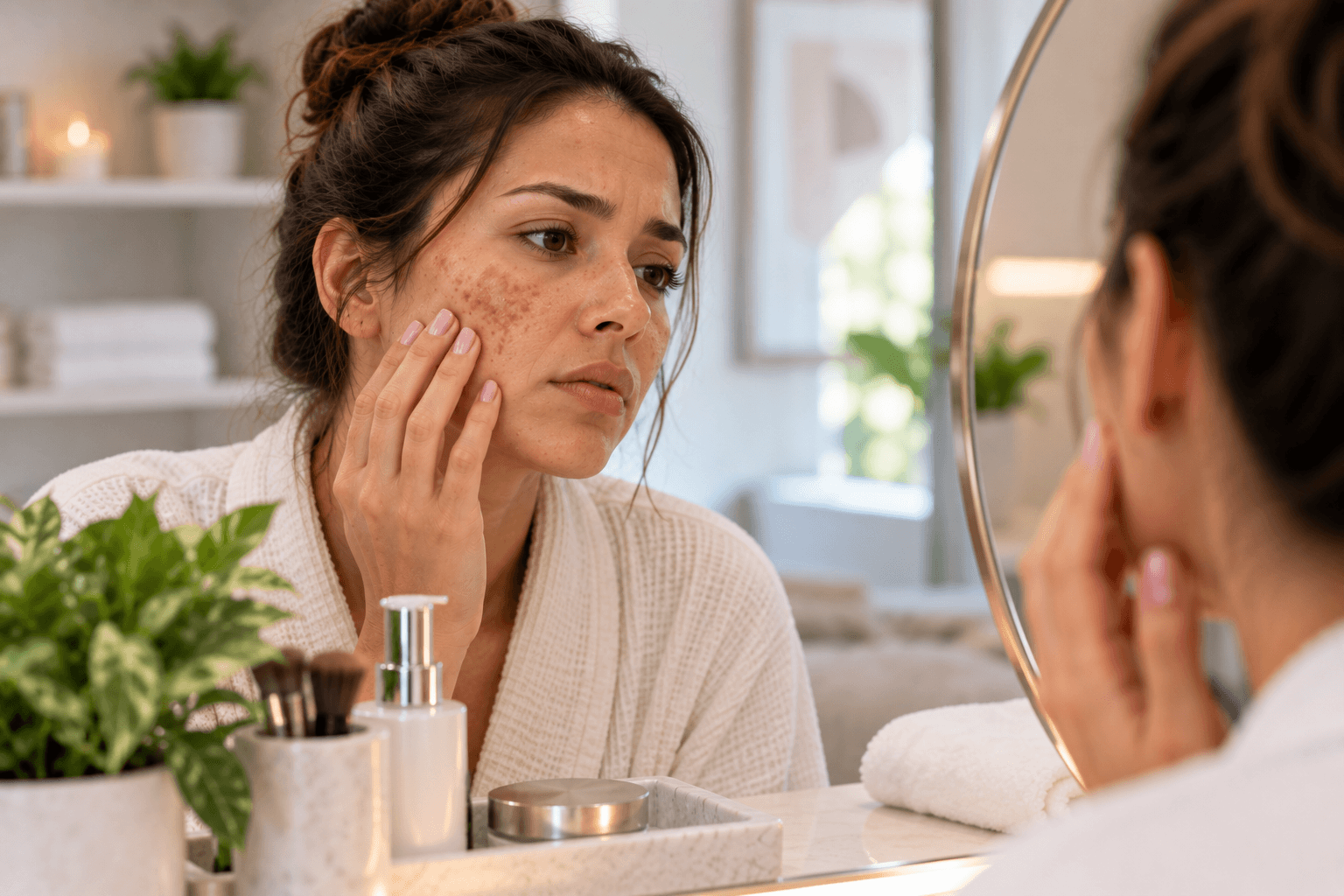
Uneven skin tone is one of the most common concerns estheticians hear about, and it is easy to understand why. Patches of discoloration can appear gradually, seem to deepen with sun exposure, and often resist the creams and serums marketed as quick fixes. Before choosing a treatment, it helps to understand what hyperpigmentation actually is, why it happens, and which approach realistically addresses it, particularly for those of us living under Orlando's strong, near-constant sun.
What Is Hyperpigmentation?
Hyperpigmentation refers to patches of skin that appear darker than the surrounding area due to excess melanin production. It is not a single condition but rather a broad term covering several different causes, which is why identifying the specific type matters before starting treatment.
What Causes Hyperpigmentation?
Sun Exposure
Ultraviolet light triggers melanin production as a protective response, which is why sun exposure is one of the leading causes of uneven tone. Florida's year-round sunshine makes this an especially common concern for Orlando residents, even for people who wear sunscreen regularly but experience daily incidental exposure.
Hormonal Changes
Hormonal fluctuations from pregnancy, birth control, or other factors can trigger a specific type of hyperpigmentation, often appearing as symmetrical patches on the cheeks, forehead, or upper lip.
Inflammation and Skin Injury
Any form of skin trauma, including breakouts, cuts, or irritation, can trigger the skin to overproduce pigment as it heals, leaving a mark behind long after the original injury has resolved.
Aging
As skin ages, melanin production can become less evenly distributed, leading to sun spots and general tone irregularities that accumulate gradually over time.
Genetics
Some individuals are simply more prone to visible pigmentation changes due to genetic factors that influence how their skin responds to triggers like sun or inflammation.
To learn more about how these patterns show up, visit our hyperpigmentation and dark spots concerns page or our uneven skin tone concerns page.
How Do You Know Which Type of Hyperpigmentation You Have?
Because different causes respond to different treatments, an accurate assessment matters. A professional evaluation typically considers:
- Where the discoloration appears on the face or body
- Whether the patches are symmetrical or scattered
- How long the discoloration has been present
- Whether it followed a specific trigger, like a breakout, pregnancy, or sunburn
- How the skin responds to sun exposure
This is why a consultation, rather than guesswork with over-the-counter brightening products, tends to produce better results.
How Is Hyperpigmentation Treated Professionally?
At Moonlight Skin Studio, we approach hyperpigmentation through treatments designed to support even cell turnover and gradually fade excess pigment. Depending on your skin's needs, this may include:
- DMK Enzyme Therapy, which works to improve circulation and support the skin's natural detoxification process, encouraging a more even tone over time
- Professional Corrective Peel or SkinBetter Peel treatments from our chemical peels category, which help remove pigmented surface cells and support fresher skin underneath
- Moonlight Glow HydraFacial, which can support brightness and tone as part of an ongoing maintenance routine
Your esthetician will recommend a combination based on your specific type of hyperpigmentation, skin sensitivity, and goals.
How Long Does It Take to See Improvement?
Pigment correction is a gradual process, since it relies on the skin's natural renewal cycle. Most clients begin noticing subtle changes after several sessions, with more visible improvement building over a few months of consistent treatment. Sun protection during this process is not optional. Without it, new pigment can form as quickly as old pigment fades, which is especially relevant in a sun-heavy city like Orlando.
Can Hyperpigmentation Come Back After Treatment?
It can, particularly if the original trigger, like unprotected sun exposure or ongoing inflammation, is not addressed. This is why professional treatment plans usually pair in-studio sessions with a home care routine that includes daily SPF and gentle, non-irritating products. Maintenance visits can also help keep new pigment from taking hold.
Hyperpigmentation Versus Dark Spots From Sun Damage
While the terms are often used interchangeably, hyperpigmentation is the broader category, and sun-induced dark spots are one specific type within it. Understanding your specific pattern of discoloration helps your esthetician choose the most effective treatment path rather than applying a generic brightening protocol that may not target the actual cause.
Frequently Asked Questions
Can hyperpigmentation be completely removed? In many cases, hyperpigmentation can be significantly faded and made much less noticeable with consistent professional treatment and sun protection, though results vary depending on the depth and cause of the discoloration.
Is hyperpigmentation the same as melasma? Melasma is one specific type of hyperpigmentation typically linked to hormonal triggers. Not all hyperpigmentation is melasma, which is why identifying the cause matters before treatment begins.
Does sunscreen prevent hyperpigmentation? Daily sunscreen use is one of the most effective ways to prevent existing pigment from worsening and to reduce the likelihood of new discoloration forming.
What professional treatment works best for hyperpigmentation? This depends on your skin type and the cause of your discoloration. Many clients see strong results from a combination of enzyme therapy and chemical peels, tailored during a consultation.
How soon will I notice results after starting treatment? Most clients notice gradual improvement over several weeks to a few months, since skin renewal happens in cycles rather than overnight.
Ready to Even Things Out?
Uneven skin tone can feel stubborn, but with the right professional approach, visible improvement is realistic. If hyperpigmentation has been affecting your confidence, our team at Moonlight Skin Studio can help build a treatment plan suited to your skin, serving clients throughout Orlando and Winter Park, Florida.
View our full range of services or get in touch to schedule your consultation.