
30
2026
Updated September 2026
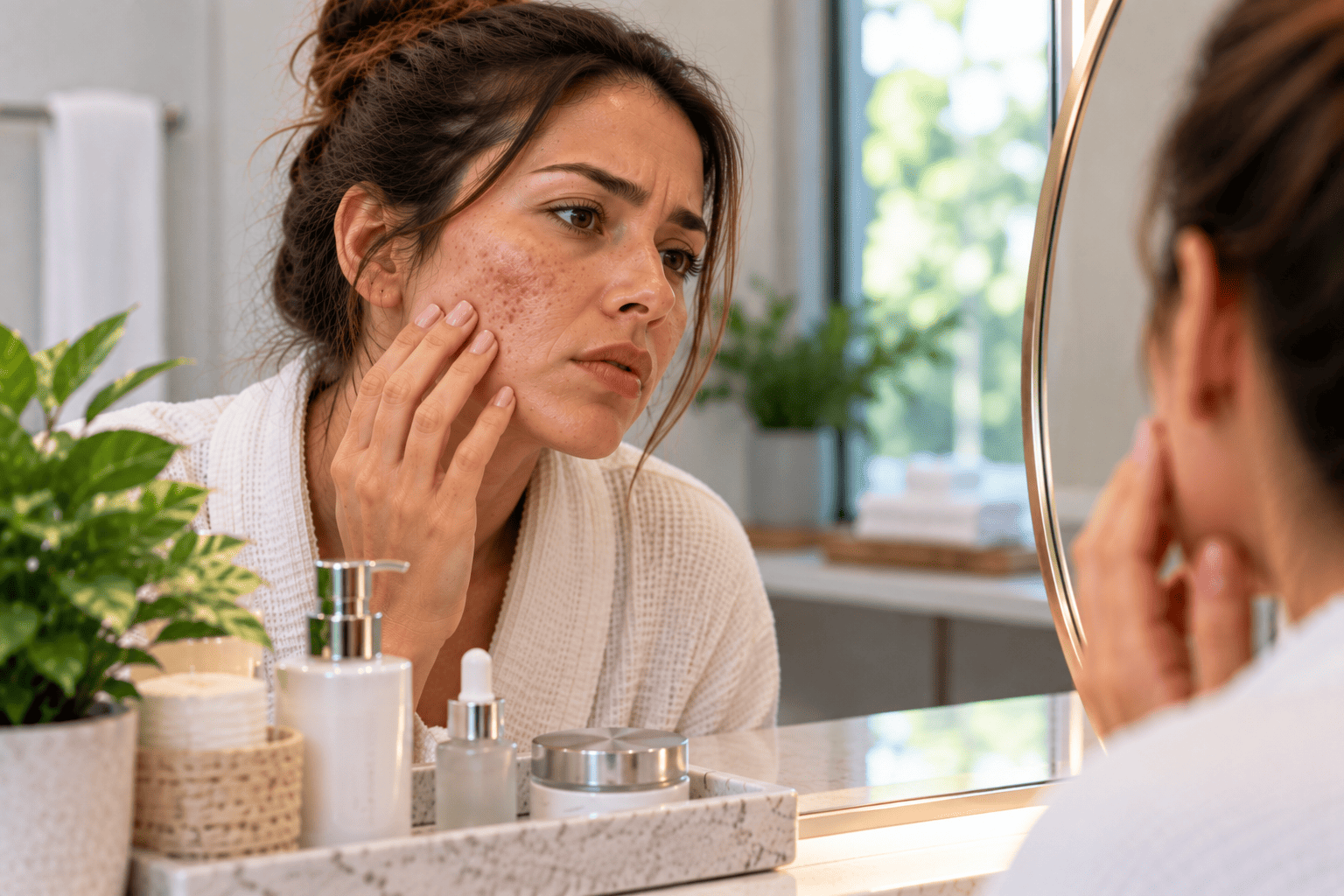
For a lot of people, the breakouts eventually stop, but the marks they leave behind do not. You finally get your acne under control in your twenties, only to notice small dips on your cheeks every time you catch your reflection under harsh bathroom lighting. Makeup settles into them. Selfies need filters. And the question becomes, will these ever go away?
The honest answer is that deep scars can improve a great deal, even if complete erasure is rare. The key is understanding what kind of scars you have, what actually rebuilds skin, and what a realistic timeline looks like. This guide walks through all of it for Orlando residents looking for real answers about deep scar treatment.
What Causes Deep Acne Scars in the First Place?
Deep acne scars form when inflamed breakouts damage the skin's collagen layer and the skin cannot rebuild that tissue evenly as it heals. Cystic acne, nodules, and blemishes that were picked or squeezed are the most likely to leave lasting depressions.
When a breakout is deep and inflamed, the body rushes to repair the damage. Sometimes it produces too little collagen, which leaves a sunken scar. Less often, it produces too much, which creates a raised scar. Genetics, how long acne was left untreated, and how often blemishes were picked all play a role.
Is It a Scar or a Dark Mark?
This is the first thing to figure out, because the treatment approach is different. Flat brown, red, or purple marks left after a breakout are usually post-inflammatory hyperpigmentation or erythema, not true scars. They tend to fade with time and consistent care. You can learn more on our page about post-inflammatory marks (PIH). A true scar changes the texture of the skin, creating a dip or a bump you can see from the side or feel with your fingertips.
What Are the Different Types of Deep Acne Scars?
Deep acne scars generally fall into depressed (sunken) scars and raised scars. The American Academy of Dermatology groups them into depressed scars, raised scars such as hypertrophic scars, and keloids (AAD acne scar treatment).
What Do Ice Pick, Boxcar, and Rolling Scars Look Like?
- Ice pick scars are narrow, deep holes that look like large, open pores.
- Boxcar scars are wider depressions with sharper, defined edges, often on the cheeks and temples.
- Rolling scars create a wavy, uneven surface because bands of tissue pull the skin downward.
Most people have a mix. Rolling and shallow boxcar scars tend to respond best to collagen-building skin treatments, while very deep ice pick scars and raised or keloid scars often need medical procedures performed by a dermatologist.
Which Treatments Help Deep Acne Scars?
Treatments that stimulate new collagen and resurface the top layers of skin do the most for depressed scars. In professional skin care, that typically means microneedling-style treatments and stronger chemical peels, often in a series.
In medical settings, dermatologists may also use options like laser resurfacing, subcision, dermal fillers, radiofrequency, or scar revision surgery for deeper or more stubborn scarring. These are worth exploring with a board-certified dermatologist if your scars are severe.
How Does CellStory Liquid Microneedling Help Scars?
CellStory Liquid Microneedling uses naturally derived microspears that create gentle, controlled stimulation in the skin. That stimulation encourages your skin's own renewal process, while growth factors, plant stem cells, and amino acids support healing. Over a series, many clients see softer scar edges, smoother texture, and more even tone. It is needle-free, requires no numbing, and has no true downtime, which makes it a realistic option for people who cannot take time off work.
Can a Chemical Peel Improve Deep Scars?
Stronger peels help by speeding cell turnover and smoothing the surface around scars, which makes depressions look shallower and less noticeable. Our Professional Corrective Peel uses medical-grade acids for deeper resurfacing, with visible peeling for a few days afterward. Most clients benefit from a series of two to three peels for noticeable, lasting change. You can compare options on our chemical peels page.
What About Combination Treatments?
Scarring rarely responds to one tool alone. Layering treatments over several months, such as liquid microneedling alternated with peels, often gives the most visible improvement. For overall texture and radiance between corrective sessions, the Ultimate Glow Up combines dermaplaning, a Hydrafacial, and DMK Enzyme Therapy in one appointment.
Who Is a Good Candidate for Deep Scar Treatment?
Good candidates have acne that is mostly under control, realistic expectations, and the patience to commit to a treatment series. Treating scars while breakouts are still active tends to be less effective, because new inflammation keeps creating new damage.
Why Do Gen Z and Younger Adults Seek Scar Treatment?
Many of our younger clients come in after years of acne through high school and college at places like UCF or Rollins. They are finally clear, but the scarring affects how they feel in photos, at job interviews, and on camera. For this group, the goal is usually to stop new scarring and gradually smooth what is already there. Pairing scar work with the Acne Bootcamp Program keeps breakouts in check so new marks do not undo progress.
Do Men Need a Different Approach?
Men often have thicker skin and more oil production, which can actually handle resurfacing treatments well. The challenge is usually shaving. Freshly treated skin can be sensitive, so we typically recommend skipping a shave the day of treatment and using a gentle, fragrance-free routine for a few days afterward. Men with beards may also have scarring along the jawline that is hidden now but becomes a concern when they want to go clean-shaven.
How Long Does It Take to See Results?
Most people notice smoother texture within a few weeks of their first session, with more meaningful change after a full series over three to six months. Collagen takes time to rebuild, so improvement continues for weeks after each appointment.
Will My Scars Disappear Completely?
Scars can fade and soften significantly, but complete removal depends on the type and severity. A realistic goal is skin that looks smoother, reflects light more evenly, and needs less makeup to feel confident. Take progress photos in the same lighting every month, because gradual change is easy to miss day to day. Our before and after gallery shows the kind of improvement consistent treatment can bring.
How Can You Prevent New Acne Scars?
The best scar treatment is preventing new ones. Treat breakouts early, avoid picking or squeezing, and wear sunscreen daily, since UV exposure darkens marks and slows healing. Florida sun is particularly hard on healing skin, so broad-spectrum protection like Eclipse SPF 50 is part of every scar plan we build. If you are still dealing with active acne breakouts, start there first.
Smoothing Things Over, One Session at a Time
Deep scars can feel permanent, but they are not the end of the story. With the right combination of collagen-building treatments, patience, and daily protection, most people see real improvement in both their skin and how they feel about it.
If you are in Orlando, Winter Park, or anywhere in Central Florida and want an honest assessment of your scars, book a complimentary consultation at Moonlight Skin Studio. Learn more on our acne scarring page, explore our advanced skin treatments, or contact us to plan your first step.
Frequently Asked Questions
What is the best deep scar treatment for acne scars?
The best approach depends on scar type. Rolling and shallow boxcar scars often respond well to collagen-stimulating treatments like liquid microneedling and corrective chemical peels in a series, while very deep ice pick or raised scars may need medical procedures from a dermatologist.
How many sessions does deep scar treatment take?
Most clients need a series of treatments over three to six months. Chemical peels are typically done in a series of two to three, and liquid microneedling is often done in packages of four.
Is liquid microneedling painful?
Most clients describe a prickly sensation that is easy to tolerate. It is needle-free, requires no numbing, and has no true downtime, although skin may feel mildly sensitive for a day or two.
Can I treat acne scars if I still have breakouts?
It is best to get active acne under control first. Treating breakouts and scarring together in a structured plan helps prevent new scars while you work on existing ones.
Can darker skin tones get deep scar treatment?
Yes, with the right approach. Deeper skin tones are more prone to post-inflammatory pigmentation, so treatments are customized carefully and paired with diligent sun protection.