
12
2026
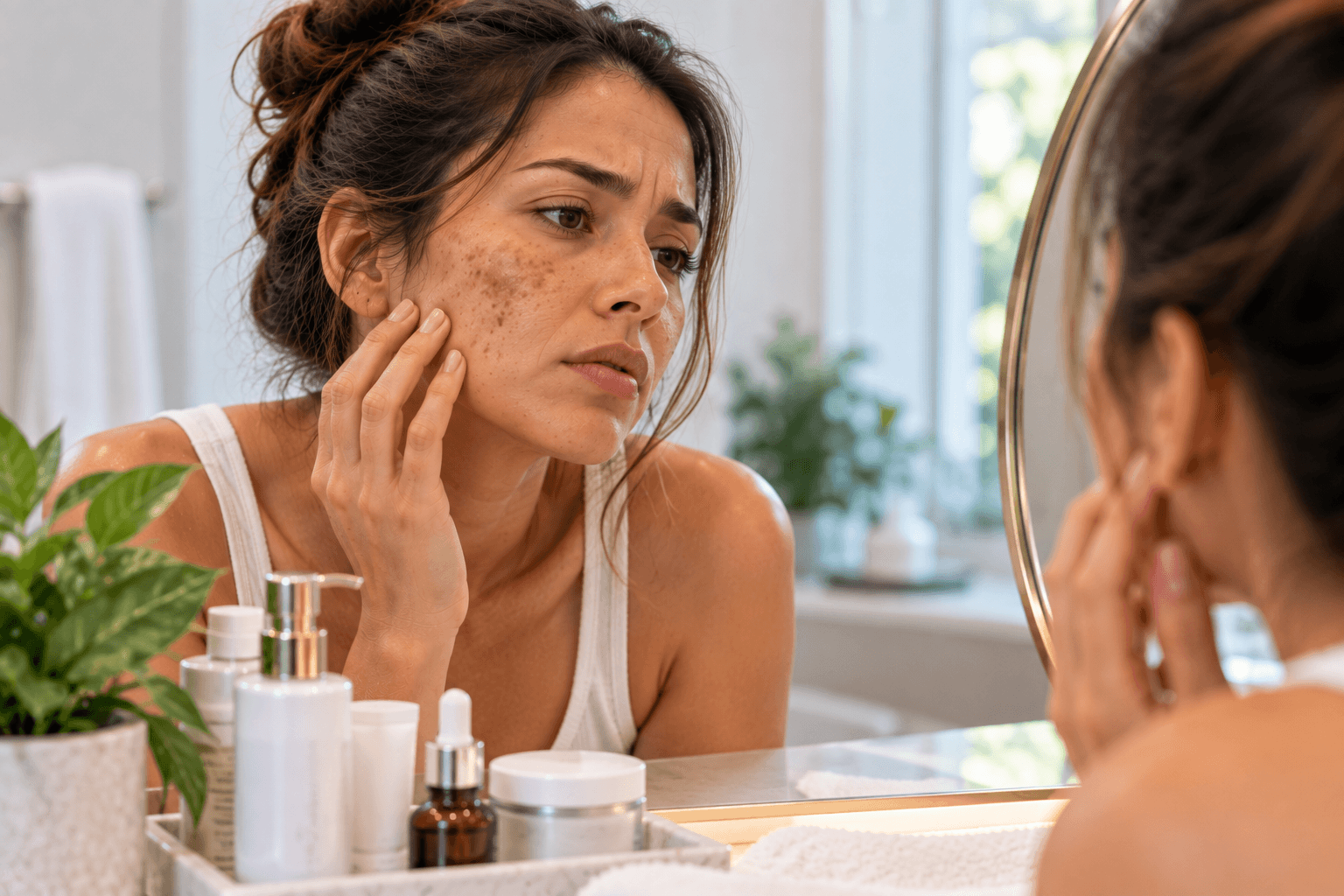
You finally got a breakout under control, but weeks later, a flat brown mark is still sitting exactly where the blemish used to be. Or maybe it was not a breakout at all, but a summer of beach days in Orlando that left behind small, scattered spots across your cheeks and nose. Either way, dark spots have a way of outlasting whatever originally caused them, and figuring out why they linger is the first step toward actually fading them.
What Are Dark Spots, Exactly?
Dark spots are areas where the skin has produced extra melanin in response to a trigger, whether that is inflammation, sun exposure, or skin trauma. Unlike a fresh blemish or sunburn, dark spots are the aftermath. The original irritation is gone, but the pigment it triggered sticks around, sometimes for months, if left untreated.
What Causes Dark Spots to Form?
Post-Breakout Marks
After a pimple heals, the skin can leave behind a flat, discolored mark where the inflammation occurred. This is one of the most common reasons dark spots appear along the cheeks, jawline, and chin. You can read more about this pattern on our post-inflammatory marks concerns page.
Sun Exposure
Repeated, unprotected sun exposure is one of the most common causes of dark spots on the nose, cheeks, shoulders, and hands. Central Florida's sun intensity means these spots can appear earlier and more frequently here than in less sunny climates.
Scratches, Bug Bites, or Minor Injuries
Even small skin injuries that seem to heal completely on the surface can leave behind a lingering pigment mark, especially in skin that is more prone to inflammation-triggered discoloration.
Friction or Irritation
Repeated rubbing or irritation, from tight clothing, skincare tools used too aggressively, or harsh exfoliation, can also trigger localized dark spots over time.
For a broader look at how discoloration develops, our hyperpigmentation and dark spots concerns page covers the full picture.
Do Dark Spots Fade on Their Own?
Sometimes, but slowly, and not always completely. Mild post-breakout marks can fade over several months as skin naturally renews itself. Deeper or older spots, however, especially those caused by repeated sun exposure, often need professional support to fade meaningfully rather than lingering indefinitely.
What Treatments Help Dark Spots Fade Faster?
At Moonlight Skin Studio, we build dark spot treatment plans around encouraging healthy cell turnover and supporting the skin's natural ability to even out pigment. Depending on your skin's needs, this may include:
- DMK Enzyme Therapy, which supports circulation and skin renewal from within
- SkinBetter Peel or Professional Corrective Peel treatments, part of our chemical peels category, which help resurface pigmented cells
- Moonlight Glow HydraFacial, which can support a brighter, more even complexion as part of ongoing maintenance
These treatments work gradually and consistently rather than promising an overnight fix, which tends to be the more realistic and lasting path for fading stubborn spots.
Can You Prevent New Dark Spots From Forming?
Prevention matters just as much as treatment, especially in a climate like Orlando's. A few habits make a real difference:
- Wearing broad-spectrum SPF daily, even on cloudy days
- Avoiding picking at breakouts, which increases the risk of a lasting mark
- Treating irritation or inflammation early rather than waiting it out
- Using gentle, non-abrasive products rather than harsh scrubs
- Scheduling regular professional treatments to support even cell turnover
Are Dark Spots the Same for Everyone?
Not exactly. How dark spots form, and how they respond to treatment, can vary depending on skin tone and skin type. Deeper skin tones can be more prone to post-inflammatory marks, while fair skin often shows sun-triggered spots more readily. This is one more reason a personalized consultation produces better results than a generic, one-size-fits-all product routine.
How Long Does Dark Spot Treatment Take?
Because dark spots involve pigment sitting deeper in the skin, results build gradually. Many clients begin noticing a difference within a few weeks of starting treatment, with continued improvement over a series of sessions. Sticking with the full recommended plan, along with consistent sun protection, tends to produce the most noticeable and lasting results.
Frequently Asked Questions
What is the fastest way to get rid of dark spots? There is no truly instant fix, but a combination of professional treatment and consistent sun protection produces the fastest realistic results. At-home products alone typically work more slowly.
Do dark spots from acne go away completely? Many post-breakout marks fade significantly with time and proper treatment, though deeper or older marks may take longer and benefit from professional support.
Can I treat dark spots at home? Home care can help maintain results and slow new spot formation, but professional treatments generally reach deeper layers of pigment more effectively.
Will dark spots come back after they fade? New dark spots can form from new triggers, like sun exposure or breakouts, which is why ongoing sun protection and skincare habits matter even after your existing spots have faded.
Is dark spot treatment safe for sensitive skin? Yes, though treatment intensity should be adjusted for sensitivity. A consultation helps determine the right approach for your specific skin.
Let's Fade Those Spots for Good
Dark spots may linger, but they do not have to be permanent. With the right combination of professional treatment and daily protection, most clients see real, lasting improvement. Our team at Moonlight Skin Studio proudly serves clients throughout Orlando and Winter Park, Florida, and we are happy to help you find the right plan for your skin.
Explore our full services or reach out to book a consultation.