
29
2026
Updated July 2026.
Most people searching for a facial are picturing something relaxing: a steam, a mask, maybe some extractions. Enzyme therapy is a different animal entirely, and if you have heard the name mentioned but are not quite sure what makes it different from a standard facial, that confusion is common.
Here is a straightforward look at what enzyme therapy actually does, who it tends to work best for, and whether it is worth adding to your routine if you are dealing with congestion, texture issues, or early signs of aging.
What Is Enzyme Therapy and How Is It Different From a Regular Facial?
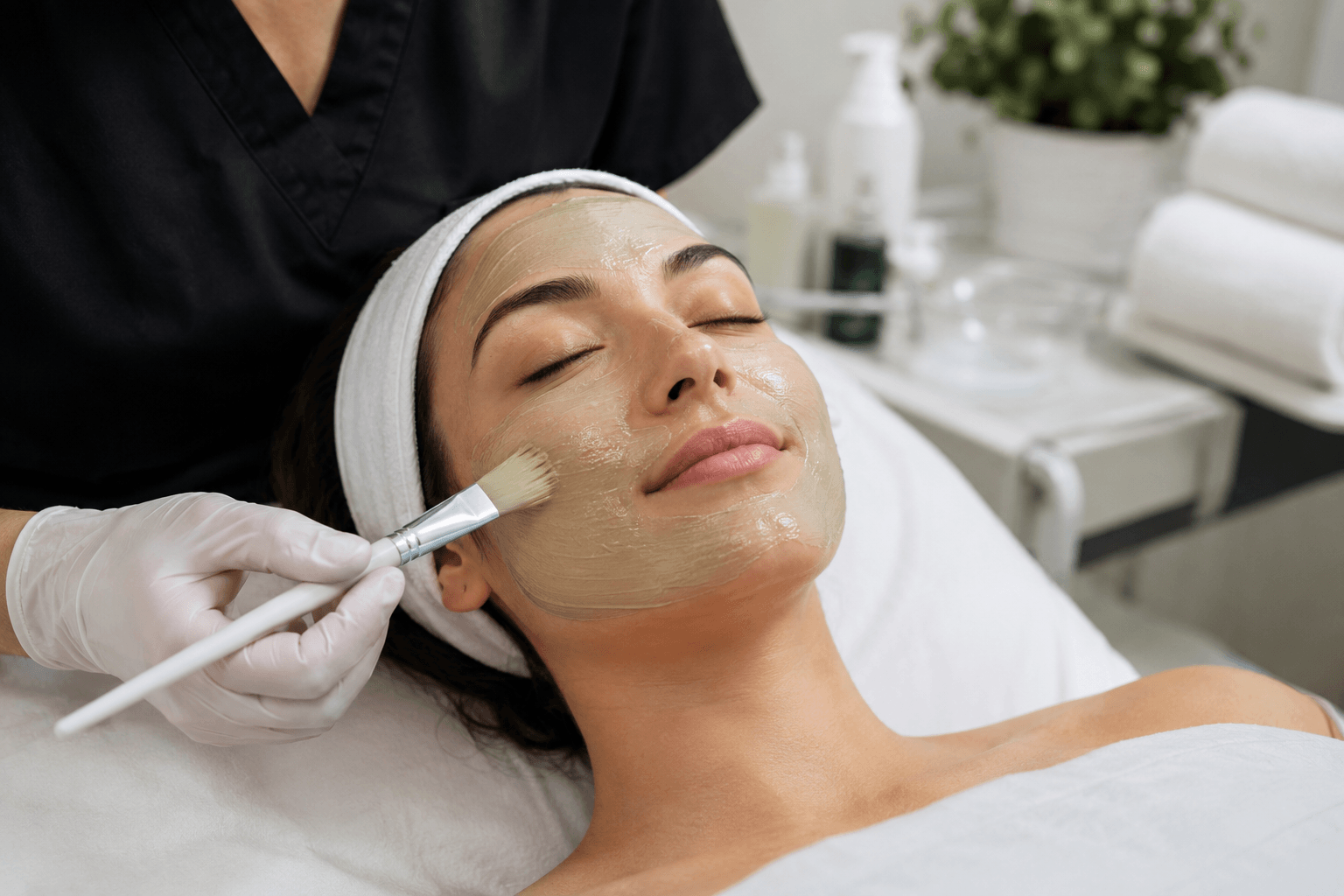
A standard facial typically focuses on surface cleansing, gentle exfoliation, and hydration. Enzyme therapy works differently by using a paste that is left to dry on the skin, creating a mild, controlled reaction that draws impurities up from deeper within the pores while also stimulating circulation underneath the skin.
At Moonlight Skin Studio, this is the concept behind DMK Enzyme Therapy. Rather than just sitting on top of the skin, the treatment is designed to work from within, which is why people often describe the results as more of a genuine reset than a typical facial.
What Skin Concerns Does It Target?
Enzyme therapy tends to shine for concerns that sit a bit deeper than surface dullness. For texture and congestion, the treatment's ability to draw out impurities and improve circulation can make a real difference in how smooth and clear skin looks over time.
It is also frequently used for fine lines and early aging, since the increased circulation and lymphatic stimulation involved can support a firmer, more toned appearance. This dual benefit, working on both texture and early aging signs, is part of what sets it apart from more surface-level treatments.
What Does a Typical Enzyme Therapy Session Involve?
A session usually begins with cleansing and prepping the skin, followed by the application of the enzyme paste itself. This paste is left on for a period while it works, often accompanied by a facial massage technique to encourage lymphatic drainage and circulation underneath the mask.
Once removed, skin typically looks noticeably brighter and feels firmer almost immediately, even though the deeper benefits build over repeated sessions. The overall experience tends to feel more clinical and results-focused compared to a traditional relaxation-oriented facial, though it can still be a genuinely pleasant appointment.
How Many Sessions Are Recommended Before Seeing Real Changes?
Because enzyme therapy works on deeper layers of the skin, meaningful change usually builds over a series of sessions rather than appearing after just one visit. Many clients notice some immediate brightening right after their first appointment, but the more lasting improvements in texture and firmness tend to develop with consistent, repeated treatments over several weeks.
This is a treatment where patience pays off. Skipping around or spacing sessions too far apart tends to blunt the cumulative benefit that makes enzyme therapy worth choosing over a standard facial in the first place.
Who Is This Treatment Best Suited For?
Enzyme therapy tends to work well for anyone dealing with congested, textured skin that has not responded fully to more surface-level treatments, as well as those starting to notice early fine lines and looking for something more active than a purely hydrating facial. It can also be a good option for people who want visible, firming results without moving straight into more intensive treatments like peels.
That said, it may be less necessary for someone whose primary concern is simply dryness or dullness, where a more hydration-focused facial might be the more direct fit.
How Does It Fit Into an Ongoing Skincare Routine?
Enzyme therapy tends to work best as part of a rhythm rather than a one-time treatment. Many clients build it into their routine every few weeks, treating it similarly to a professional maintenance step rather than an occasional splurge. Pairing it with a solid home care routine and daily SPF helps extend and protect the results between visits.
Why This Treatment Resonates With Winter Park Clients
Between humidity and sun exposure, Winter Park and Orlando skin often deals with a particular combination of congestion and early sun-related aging at the same time. Enzyme therapy's ability to address both in one treatment is part of why it has become a favorite among clients looking for something more targeted than a standard facial, without jumping straight to more intensive procedures.
Frequently Asked Questions
Is enzyme therapy the same as a chemical peel?
No, enzyme therapy works differently by drawing impurities from within the pores and stimulating circulation, rather than removing the outer layer of skin like a peel does.
Does enzyme therapy hurt or cause downtime?
Most clients experience little to no discomfort, and there is typically no downtime, making it easy to fit into a regular schedule.
How soon will I see results?
Some brightening is often visible right after the first session, though the deeper firming and texture benefits build over a series of treatments.
Can enzyme therapy help with both congestion and fine lines at once?
Yes, this dual benefit is one of the main reasons people choose enzyme therapy over a more single-purpose facial treatment.
How often should I schedule enzyme therapy sessions?
Many clients find every few weeks works well, treating it as an ongoing part of their skincare maintenance rather than a one-time treatment.
Consider This Your Enzyme Therapy Green Light
If your skin has felt congested or you have started noticing those first fine lines creeping in, enzyme therapy might be exactly the kind of reset it needs. The team at Moonlight Skin Studio in Winter Park, Florida can walk you through whether it is the right next step for your skin.