
11
2026
If you have caught yourself staring at a stubborn dark patch in the mirror wondering if it will ever fade, you are not alone. Dark spots, leftover marks from old breakouts, and patchy skin tone are some of the most common reasons people in Winter Park and Orlando start looking into a chemical peel. The tricky part is that not every peel is built for the same job, and picking the wrong one can leave you with more irritation than results.
This guide walks through how a chemical peel actually works on discoloration, which options make sense for different skin concerns, and what to expect if you decide to book one at Moonlight Skin Studio.
What Does a Chemical Peel Actually Do to the Skin?
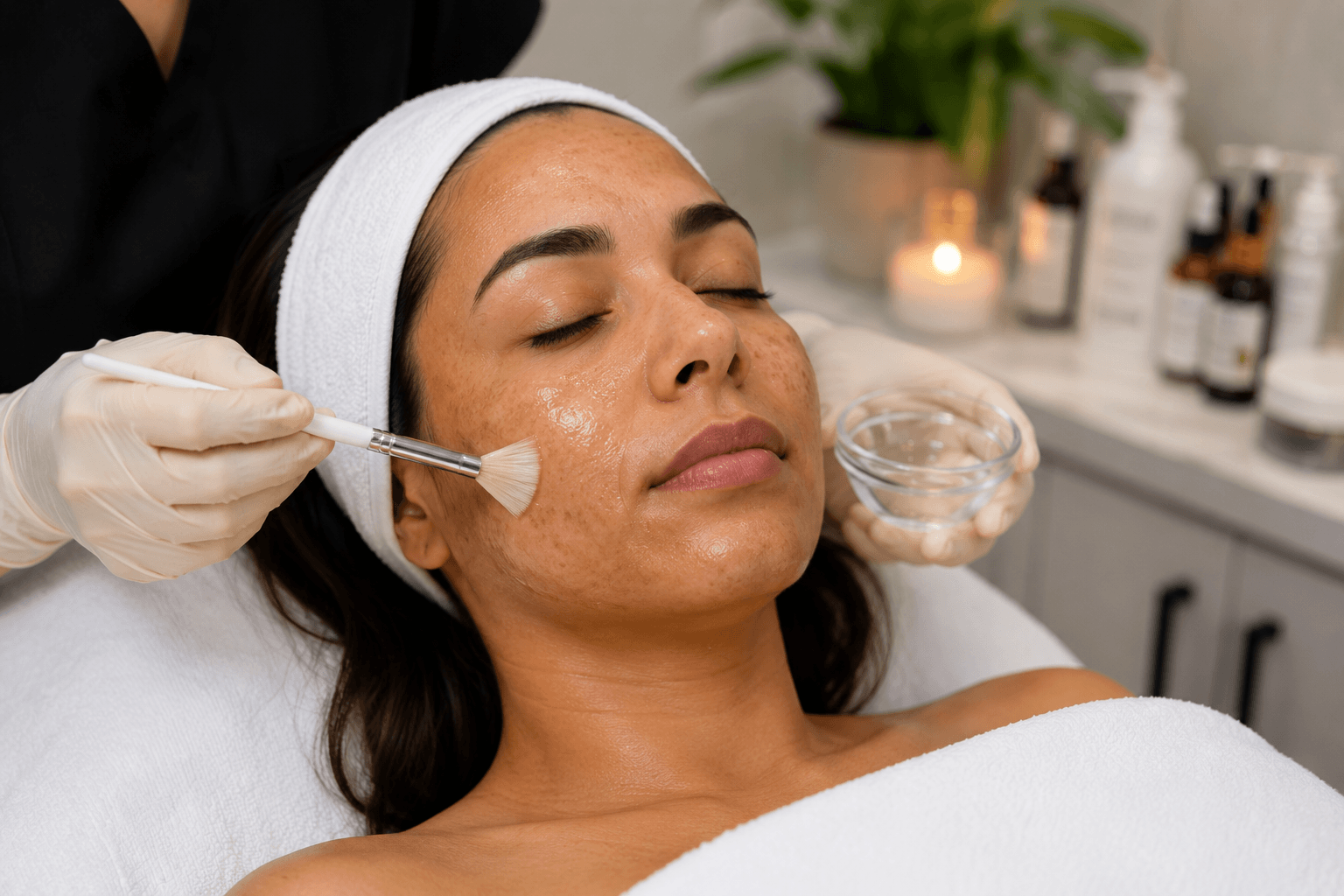
A chemical peel uses a controlled acid solution to remove the outer layer of dull, damaged skin cells. As those cells lift away, they take a good amount of surface discoloration with them, and the fresh skin underneath tends to look brighter and more even almost immediately. Deeper layers respond too, since the process nudges skin to produce new collagen and speed up cell turnover.
For anyone dealing with hyperpigmentation or blotchy tone, this turnover is the whole point. Dark spots sit in the upper layers of skin, so removing that layer gradually fades them instead of just covering them up with makeup.
Why Peels Work Well for Discoloration Specifically
Most spot-correcting serums work slowly because they can only do so much from the surface. A peel goes a step further by physically encouraging the skin to shed the pigmented cells rather than waiting for them to fade on their own. That is why people who have tried brightening creams for months sometimes see faster movement with one or two peel sessions.
Can a Chemical Peel Fade Dark Spots and Post-Breakout Marks?
Yes, and this is one of the most common reasons clients book a chemical peel in the first place. Whether the discoloration comes from sun exposure, hormonal changes, or old acne, peels are formulated to target pigment sitting in the skin's surface layers.
At Moonlight Skin Studio, the SkinBetter Peel and the Professional Corrective Peel are both designed with this in mind, using ingredient blends that target uneven tone without being overly aggressive on the skin barrier. These treatments are part of the studio's broader chemical peel category, which is built around correcting texture and tone issues rather than just providing a generic resurfacing treatment.
If your main concern is hyperpigmentation and dark spots, a peel is often paired with a custom skincare plan to keep new discoloration from forming while the old marks fade.
For those dealing specifically with marks left behind after breakouts, sometimes called post-inflammatory marks, a peel can help even out that residual redness or brown discoloration that lingers long after the pimple itself is gone.
Is There a Peel Option With Little to No Downtime?
This is usually the first question people ask, and it is a fair one. Nobody wants to walk into a work meeting with visibly peeling skin. The good news is that not every chemical peel requires a week of hiding indoors.
Milder peel formulations are designed to work gradually, meaning you might notice light flaking over a few days rather than dramatic peeling. These are a good fit for anyone who wants results without rearranging their calendar around recovery time. During a consultation, an esthetician can walk through which strength makes sense based on your skin's sensitivity and how much correction you are looking for.
If your schedule is tight around events, weddings, or work travel, mention that upfront. Peel intensity can usually be adjusted so you get meaningful results without unwanted surprises.
How Many Sessions Are Typically Needed to See a Difference?
Most people notice some brightening after a single chemical peel, but real, lasting change in stubborn discoloration usually takes a series of sessions spaced a few weeks apart. This gives the skin time to fully turn over between treatments, and it allows any deeper pigment to keep working its way to the surface.
Clients focused on uneven skin tone across larger areas of the face, rather than just a few isolated spots, tend to see the best results with a consistent plan rather than a single visit. A series also gives an esthetician the chance to fine tune strength along the way, going a little deeper once your skin shows it can tolerate it.
Who Should Avoid Getting a Peel, or Wait Before Booking One?
A chemical peel is not the right fit for every situation, and a good provider should walk you through this rather than just booking you in. Active sunburn, certain retinoid use, open wounds, or recent laser treatments are common reasons to wait. Pregnancy can also change which ingredients are appropriate, so it is worth mentioning during your consultation.
If your skin is currently reactive, inflamed, or dealing with an active breakout, it is often better to calm things down first before introducing an exfoliating treatment. This is one of the reasons a proper skin consultation matters more than picking a peel off a menu based on name alone.
What's the Right Way to Prep Skin Before and Care for It After?
Preparation matters almost as much as the treatment itself. In the days leading up to a chemical peel, it helps to skip harsh exfoliants, retinoids, and any at-home acids so your skin is not already sensitized. Daily SPF is non-negotiable, both before and especially after treatment, since freshly treated skin is more vulnerable to sun damage.
After your session, expect some mild redness or tightness, similar to a light sunburn. Gentle cleansing, a good moisturizer, and strict sun protection help the new skin settle in properly. Avoid picking at any flaking skin, since this can undo the results and even cause new discoloration.
Why Winter Park Clients Are Turning to Professional Peels Over At-Home Options
Drugstore peel pads and at-home kits promise similar results, but they are formulated at much lower strengths for safety reasons, which means they rarely make a real dent in stubborn dark spots or long-standing uneven skin tone. A professional treatment allows for a stronger, more targeted formula applied by someone trained to read your skin and adjust in real time.
For Winter Park and Orlando, Florida residents dealing with sun-related pigmentation from the near year-round sunshine, this difference tends to matter even more. A professional-grade peel, done consistently, tends to outperform anything sold over the counter.
Frequently Asked Questions
How long does it take to see results from a chemical peel?
Some brightening is often visible within a few days, though full results for deeper discoloration typically build over a series of sessions spaced several weeks apart.
Does a chemical peel hurt?
Most clients describe a warming or slight tingling sensation rather than pain. Sensitivity varies depending on peel strength and individual skin type.
Can a chemical peel help with both dark spots and texture at the same time?
Yes, since peels work on the surface layer of skin, they often improve texture, tone, and clarity together rather than addressing just one concern in isolation.
Is a chemical peel safe for sensitive skin?
It can be, as long as the strength and ingredients are chosen carefully. This is why a consultation before treatment matters, especially for reactive or easily irritated skin.
How often should I get a chemical peel?
This depends on your skin goals and the strength of the peel used, but many people benefit from a series spaced a few weeks apart, followed by periodic maintenance sessions.
Peel Back the Confusion and Just Book the Consultation
Sorting through peel options on your own can feel like more homework than skincare should ever require. The simplest path forward is a real conversation with someone who can actually look at your skin. If dark spots, post-breakout marks, or uneven tone have been bothering you, the team at Moonlight Skin Studio in Winter Park, Florida can help map out which peel option fits your skin and your schedule.